
Expert Fire Alarm Monitoring Toronto
24/7 ULC S561-listed fire alarm monitoring for Toronto’s high-rise towers, mixed-use developments, and heritage commercial buildings — with cellular and IP redundancy for uninterrupted signal transmission.
Reliable Fire Alarm Monitoring Toronto for Your Facility
In Toronto’s dense commercial environment — where a single building on Bay Street can house hundreds of tenants and thousands of occupants — uninterrupted fire alarm monitoring is a non-negotiable life safety requirement. Toronto Fire Services requires all commercial buildings to have a ULC-listed central station monitoring connection. Legacy POTS (phone line) monitoring is no longer reliable as telecom carriers phase out copper infrastructure. SESSI transitions Toronto properties to dual-path cellular and IP communicators that maintain monitoring connectivity even during power outages and internet failures — ensuring Toronto Fire Services receives every alarm signal within the ULC S561 mandated timeframe.
NFPA 13/25 • Ontario Fire Code • TSSA • ULC • CAN/ULC-S524 | Call: (416) 994-0144
Local Fire Safety at a Glance
Comprehensive Fire Alarm Monitoring Toronto — What We Provide
ULC-Listed Central Station Monitoring
Your signals are received by a ULC S561-listed central monitoring station operating 24/7.


Communication Path Setup
Reliable signal delivery requires a properly configured communication path from your panel to the station.
Monitoring for New Installations
We connect new fire alarm systems to monitoring as part of a complete installation package.


Monitoring for Existing Systems
Already have a fire alarm system? We can connect it to a ULC-listed station.
Alarm Response Protocols
We work with you to establish clear response protocols that match your facility’s needs.


Monitoring Compliance & Documentation
Monitoring records support fire inspections, insurance reviews, and Ontario Fire Code compliance.
How Fire Alarm Monitoring Works
Toronto Fire Services mandates ULC S561-listed central station monitoring for all commercial fire alarm systems. Here are the monitoring and inspection frequencies your Toronto property must maintain.
⚠ Compliance Alert — Toronto
Ontario Fire Code: O. Reg. 213/07 — Sprinklers required for buildings over 6 floors or 600 m² (mixed use)
Zoning: By-law 569-2013 — Compliance triggered when renovations exceed 50% of building value in designated zones across the City of Toronto
City of Toronto actively targets pre-1975 buildings citywide for fire code compliance inspections.
Up to $25,000 Available for Toronto Buildings
Toronto multi-unit residential buildings may qualify for up to $25,000 per building through the CMHC MRAP program to offset fire protection upgrade costs.
Compliance & Standards
Fire protection systems must meet strict codes and standards to protect occupants and property. We help clients navigate these requirements with clear guidance, proper documentation, and consistent execution.
Our work is performed in alignment with applicable Canadian fire codes, standards, and industry best practices. We support inspections, testing, verification, and system upgrades with compliance in mind at every stage.
We work closely with facility teams, authorities having jurisdiction, and inspection bodies to help ensure systems are installed, maintained, and documented correctly.
Standards and organizations we work with include:


Fire Alarm Monitoring Toronto — Frequently Asked Questions
Common questions about fire alarm monitoring Toronto, inspections, and Ontario Fire Code requirements for Toronto properties.
Why Work With Us
Choosing the right fire protection partner matters. You need a team that responds quickly, communicates clearly, and understands the realities of operating buildings in the GTA.
Local GTA Experience
We work across the Greater Toronto Area and understand local buildings, inspectors, and operating environments.
Full Service Support
From design and installation to inspections, repairs, and monitoring, we handle the full lifecycle of fire alarm systems.
Clear Communication
You get straightforward updates, clear reports, and answers you can act on. No guesswork.
Responsive Service
Fast response times, on-call support, and live dispatch help reduce downtime and risk.
Practical Compliance Support
We help you stay aligned with applicable codes and standards through proper testing, documentation, and guidance.
Built for Long-Term Reliability
Our focus is not just passing inspections. It is keeping systems reliable year after year.
Locations We Serve
We provide fire protection services across key commercial and industrial areas in the Greater Toronto Area.


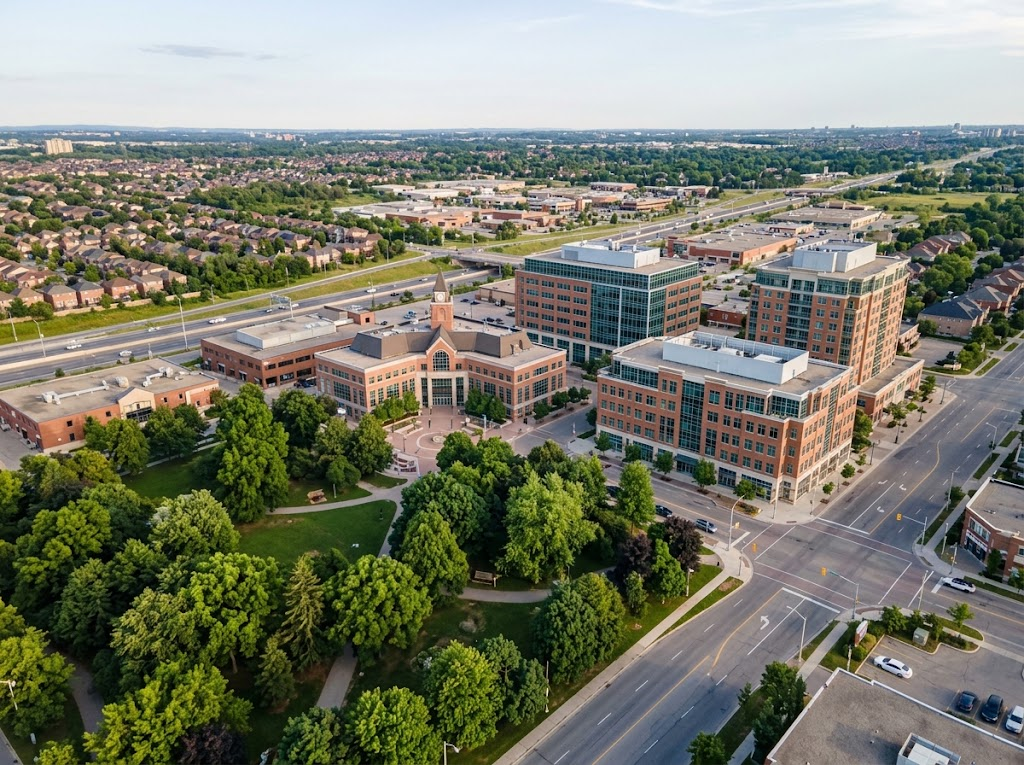




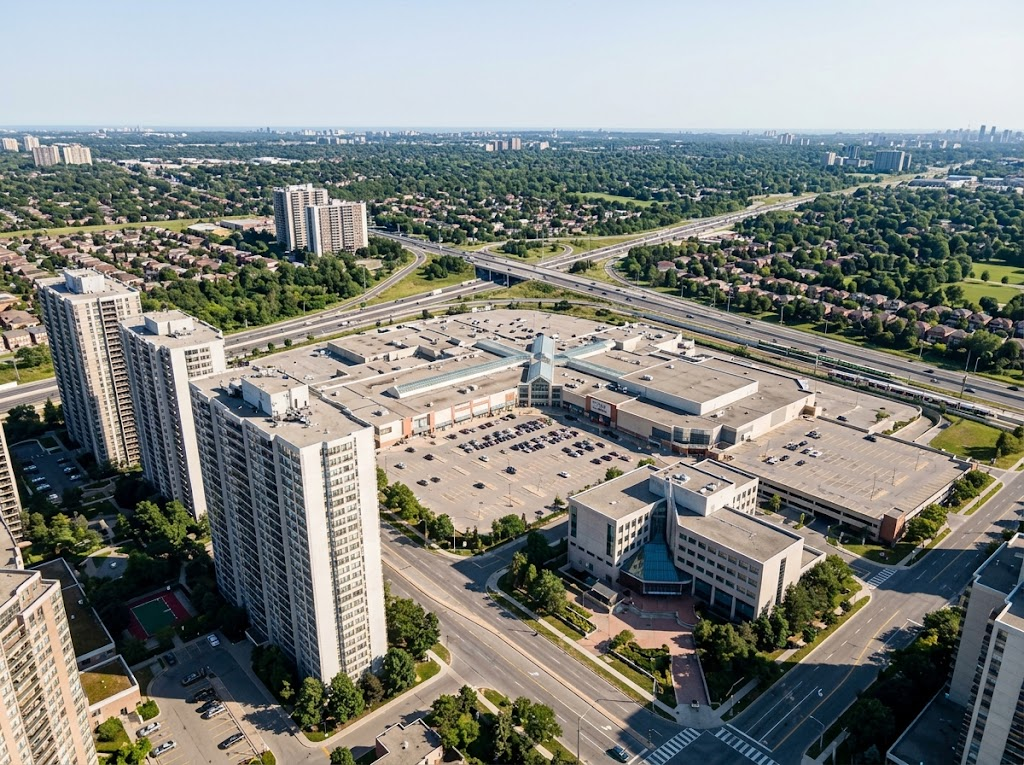


Fire protection for manufacturing plants, warehouses, and commercial buildings.

Fire safety services for business parks, retail, and institutional sites.
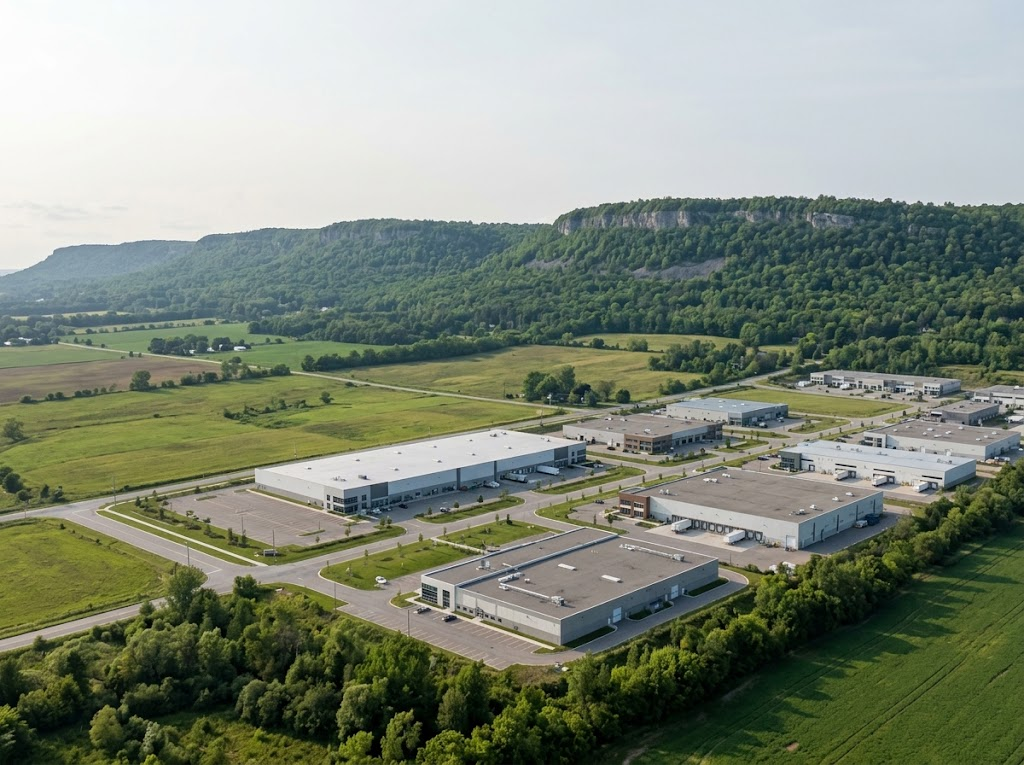
Protection for distribution centres, logistics hubs, and new developments.
Fire Alarm Monitoring in Other Areas
Mississauga | Brampton | Vaughan | Markham | Richmond Hill | Oakville | Etobicoke | Scarborough
Free Tool
[sessi_compliance_checker lang=”en”]
Local Compliance Note: All fire protection systems must meet the requirements set by Toronto Fire Services.