
Expert Fire Suppression Systems Toronto
Designing, installing, and servicing clean agent and commercial kitchen fire suppression systems for Toronto’s high-rise data centres, heritage museums, and King West restaurants.
Reliable Fire Suppression Systems Toronto for Your Facility
Toronto’s dense commercial core houses high-value assets and high-risk environments that standard water sprinklers cannot protect. Server rooms in Financial District towers and irreplaceable archives in heritage museums require clean agent systems (like FM-200 or Novec 1230) that suppress fire without leaving residue or damaging electronics. Meanwhile, the intense culinary scene along King West and in high-rise podiums demands NFPA 17A wet chemical suppression systems to protect commercial cooking operations. Toronto Fire Services enforces strict semi-annual inspection schedules for these critical systems. SESSI designs and maintains specialized suppression systems for Toronto’s most sensitive and high-risk environments.
NFPA 13/25 • Ontario Fire Code • TSSA • ULC • CAN/ULC-S524 | Call: (416) 994-0144
Local Fire Safety at a Glance
Comprehensive Fire Suppression Systems Toronto What We Provide
Suppression System Inspection Toronto Kitchen Hood, Clean Agent, Dry Chemical
Overdue Suppression System Inspection in Toronto? Sessi Delivers Certified Kitchen Hood, Clean Agent, and Dry Chemical Service
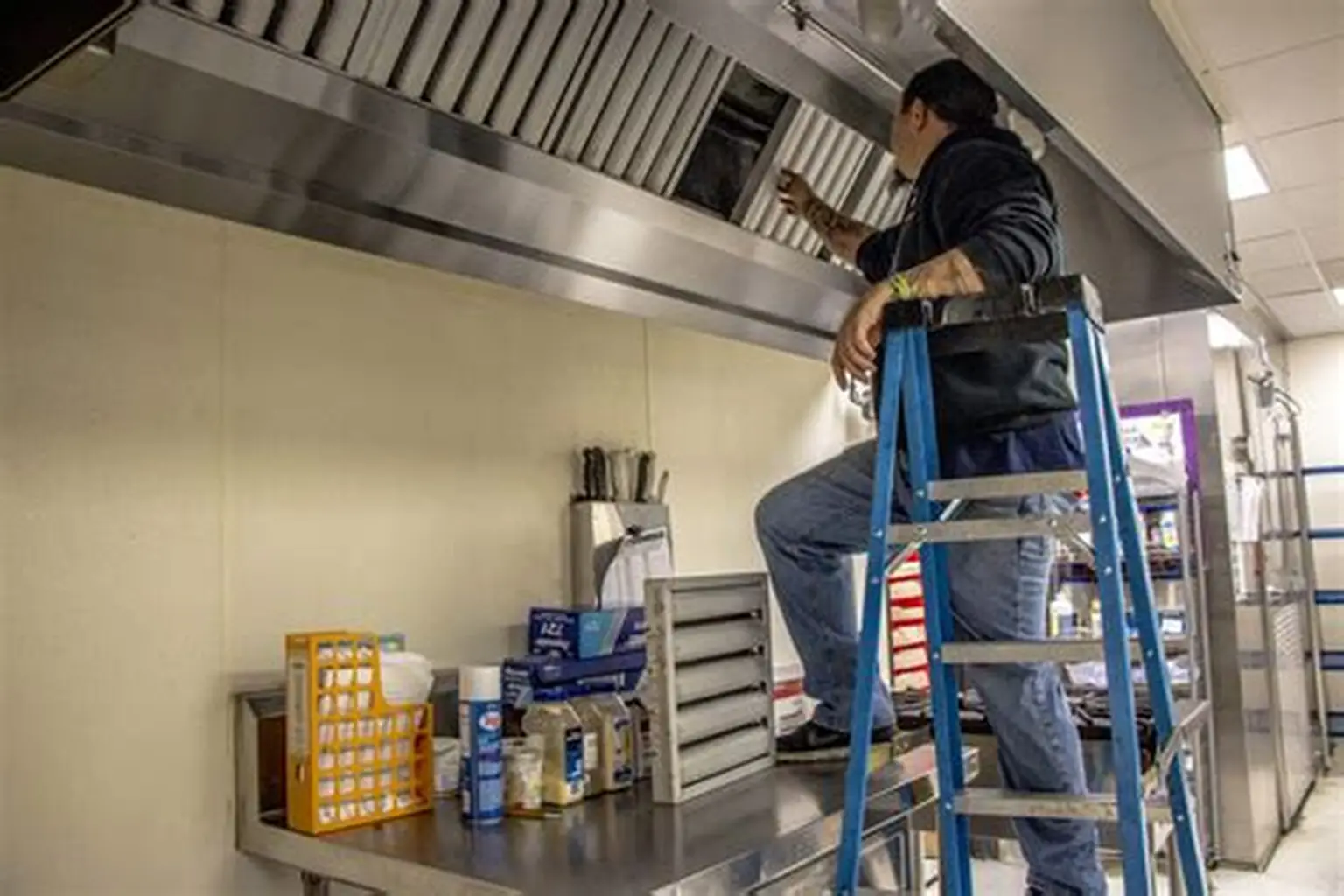

Suppression System Repair Toronto Nozzle Blocked, Actuator Fault, Agent Discharge
Suppression System Malfunctioning in Toronto? Sessi Repairs Nozzles, Actuators, and Discharge Issues Fast
Kitchen Hood Suppression Inspection Toronto Grease Buildup, Fusible Link, Nozzle Check
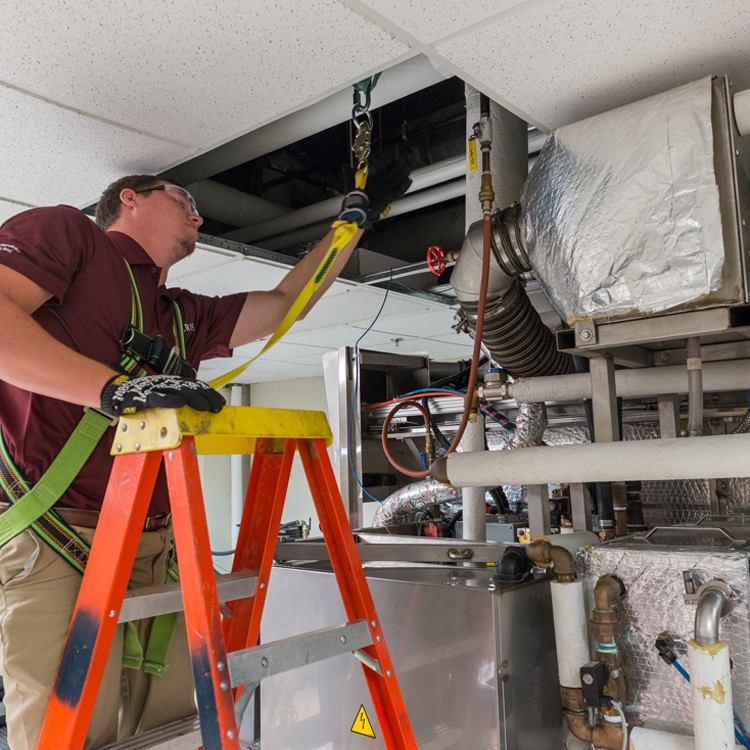

Clean Agent Suppression System Toronto FM-200, Novec 1230, CO2
Room Flooding
Suppression System Recharge Toronto Agent Refill After Discharge,
Cylinder Replacement
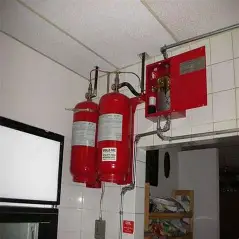

Suppression System Upgrade Toronto Outdated Dry Chemical, LegacyCO2, New Clean Agent
Types of Fire Suppression Systems We Install
Toronto Fire Services enforces strict inspection intervals for special hazard and commercial kitchen fire suppression systems under the Ontario Fire Code. Here are the mandatory compliance intervals for your Toronto property.
⚠ Compliance Alert — Toronto
Ontario Fire Code: O. Reg. 213/07 — Sprinklers required for buildings over 6 floors or 600 m² (mixed use)
Zoning: By-law 569-2013 — Compliance triggered when renovations exceed 50% of building value in designated zones across the City of Toronto
City of Toronto actively targets pre-1975 buildings citywide for fire code compliance inspections.
Up to $25,000 Available for Toronto Buildings
Toronto multi-unit residential buildings may qualify for up to $25,000 per building through the CMHC MRAP program to offset fire protection upgrade costs.
Compliance & Standards
Fire protection systems must meet strict codes and standards to protect occupants and property. We help clients navigate these requirements with clear guidance, proper documentation, and consistent execution.
Our work is performed in alignment with applicable Canadian fire codes, standards, and industry best practices. We support inspections, testing, verification, and system upgrades with compliance in mind at every stage.
We work closely with facility teams, authorities having jurisdiction, and inspection bodies to help ensure systems are installed, maintained, and documented correctly.
Standards and organizations we work with include:


Fire Suppression Systems Toronto — Frequently Asked Questions
Common questions about fire suppression systems Toronto, inspections, and Ontario Fire Code requirements for Toronto properties.
Why Work With Us
Choosing the right fire protection partner matters. You need a team that responds quickly, communicates clearly, and understands the realities of operating buildings in the GTA.
Local GTA Experience
We work across the Greater Toronto Area and understand local buildings, inspectors, and operating environments.
Full Service Support
From design and installation to inspections, repairs, and monitoring, we handle the full lifecycle of fire alarm systems.
Clear Communication
You get straightforward updates, clear reports, and answers you can act on. No guesswork.
Responsive Service
Fast response times, on-call support, and live dispatch help reduce downtime and risk.
Practical Compliance Support
We help you stay aligned with applicable codes and standards through proper testing, documentation, and guidance.
Built for Long-Term Reliability
Our focus is not just passing inspections. It is keeping systems reliable year after year.
Locations We Serve
We provide fire protection services across key commercial and industrial areas in the Greater Toronto Area.

Fire protection for logistics hubs, industrial parks, and commercial buildings.

Fire safety services for corporate offices, manufacturing, and distribution centres.

Protection for large industrial facilities, warehouses, and logistics operations.

Fire systems supporting warehouses, mixed-use developments, and offices.

Code-compliant protection for technology firms and commercial campuses.

Fire safety services for corporate offices, retail, and institutional sites.

Comprehensive fire protection for downtown high-rises, commercial, and retail spaces.
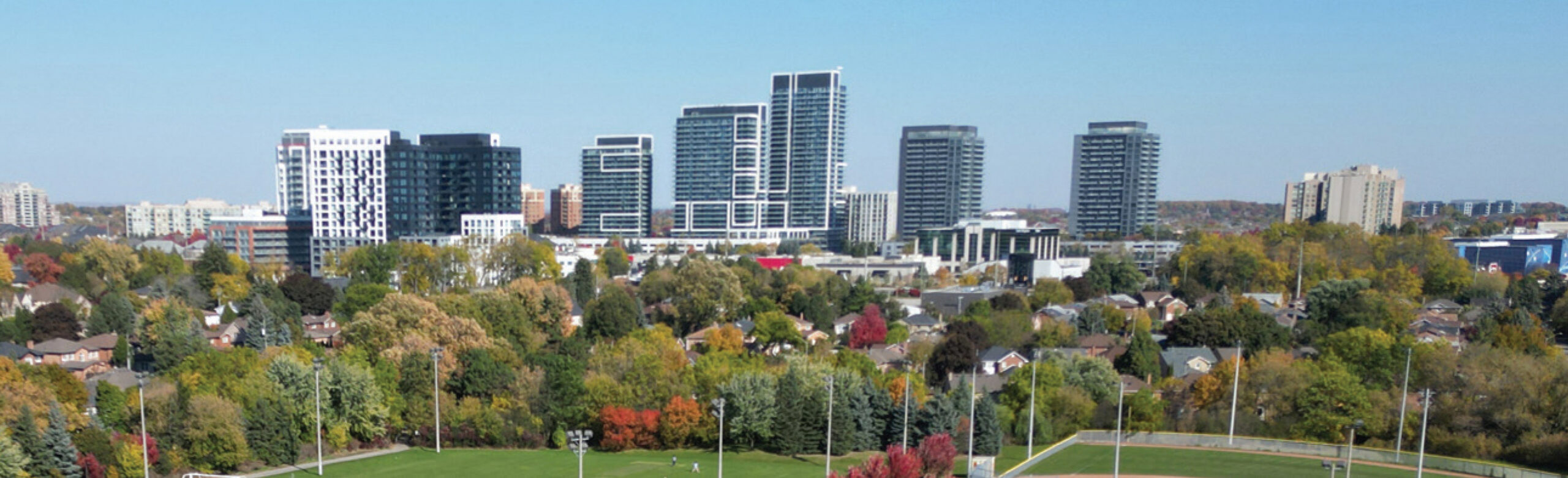

Suppression Systems in Other Areas
Mississauga | Brampton | Vaughan | Markham | Richmond Hill | Oakville | Etobicoke | Scarborough
Free Tool
[sessi_compliance_checker lang=”en”]
Local Compliance Note: All fire protection systems must meet the requirements set by Toronto Fire Services.